
Exterior Paint Peeling or Blistering in the Coastal Humidity? Why It Happens
Quick Answer: Exterior paint peels or blisters when moisture gets under the film and breaks its bond with the siding. In a humid coastal climate, that moisture shows up as damp wood painted too soon, dew and high humidity hitting fresh latex before it cures, water sneaking past worn caulk, or heat that skins the surface before the layer underneath sets. Blisters that go all the way to bare wood point to a moisture problem, while blisters that stay in the top coat point to heat. The fix is finding the water source, cutting back to a sound surface, and repainting in the right conditions.
You walk the shady side of the house one morning and notice it: a patch of siding where the paint has swelled into little bubbles, and near the corner a strip has already cracked and curled away from the board. It was a clean finish a couple of seasons ago. Now it looks tired and blistered, and the humid stretch of summer seems to have pushed it over the edge.
Peeling and blistering are the two most common ways an exterior finish fails, and in the Lowcountry they show up faster than they do almost anywhere else. Salt air, months of high humidity, heavy morning dew, and strong sun all work against the bond between the paint and the wood underneath. The good news is that these failures follow predictable rules. Once you understand what is lifting the film, you can read the wall like a painter does and know whether you are looking at a surface problem, a prep problem, or water coming from somewhere it should not.
What Peeling and Blistering Are Actually Telling You
Both failures come down to the same thing: the paint has lost its grip on the surface below it. A good finish is a flexible film bonded tightly to the siding. When that bond breaks, the film has nowhere to go but away from the wall.
Blistering: the film lifting into bubbles
A blister is a pocket where the paint film has pulled loose and ballooned out, trapping air or vapor underneath. Press one and it feels soft and hollow. Blisters are the early warning stage. Left alone, they eventually break open, and once the edges are exposed the surrounding paint starts to let go.
Peeling: the bond finally giving out
Peeling is what blistering becomes when it is ignored, or what happens directly when adhesion fails outright. The film cracks, curls at the edges, and flakes off, often taking you right down to bare wood. Once a section starts peeling, water reaches the substrate even more easily, and the failure spreads outward from there.
The pattern of the failure is the clue. A finish that is bubbling and peeling low on the walls, on the shaded north side, or around windows and trim is usually telling you about water. A finish blistering on the sun-baked south and west walls in the heat of the day is often telling you about temperature during application. Reading which one you have is the whole game.
Why Humid Coastal Air Is So Hard on a Paint Film
The reason these problems hit harder near the water is that a paint film has to survive conditions that inland siding rarely sees. Moisture is the enemy of adhesion, and out here moisture is everywhere.
Wood that never fully dries out
Wood naturally absorbs moisture from humid air, even when painted. If moisture levels stay too high, paint cannot bond properly and is more likely to peel. For lasting results, wood should be thoroughly dry before any coating is applied.
Dew that lands on the film every night
Fresh latex paint needs adequate curing time. Heavy overnight dew can reach the surface before it fully hardens, causing surfactant leaching, streaking, reduced adhesion, and a finish that is more likely to fail earlier than expected.
Salt and constant wetting-drying cycles
Salt carried by coastal air holds moisture against painted surfaces. Combined with repeated humid mornings and hot afternoons, these constant wetting and drying cycles gradually weaken the paint bond, leading to blistering, cracking, and premature peeling.
The Moisture Paths That Undermine the Bond
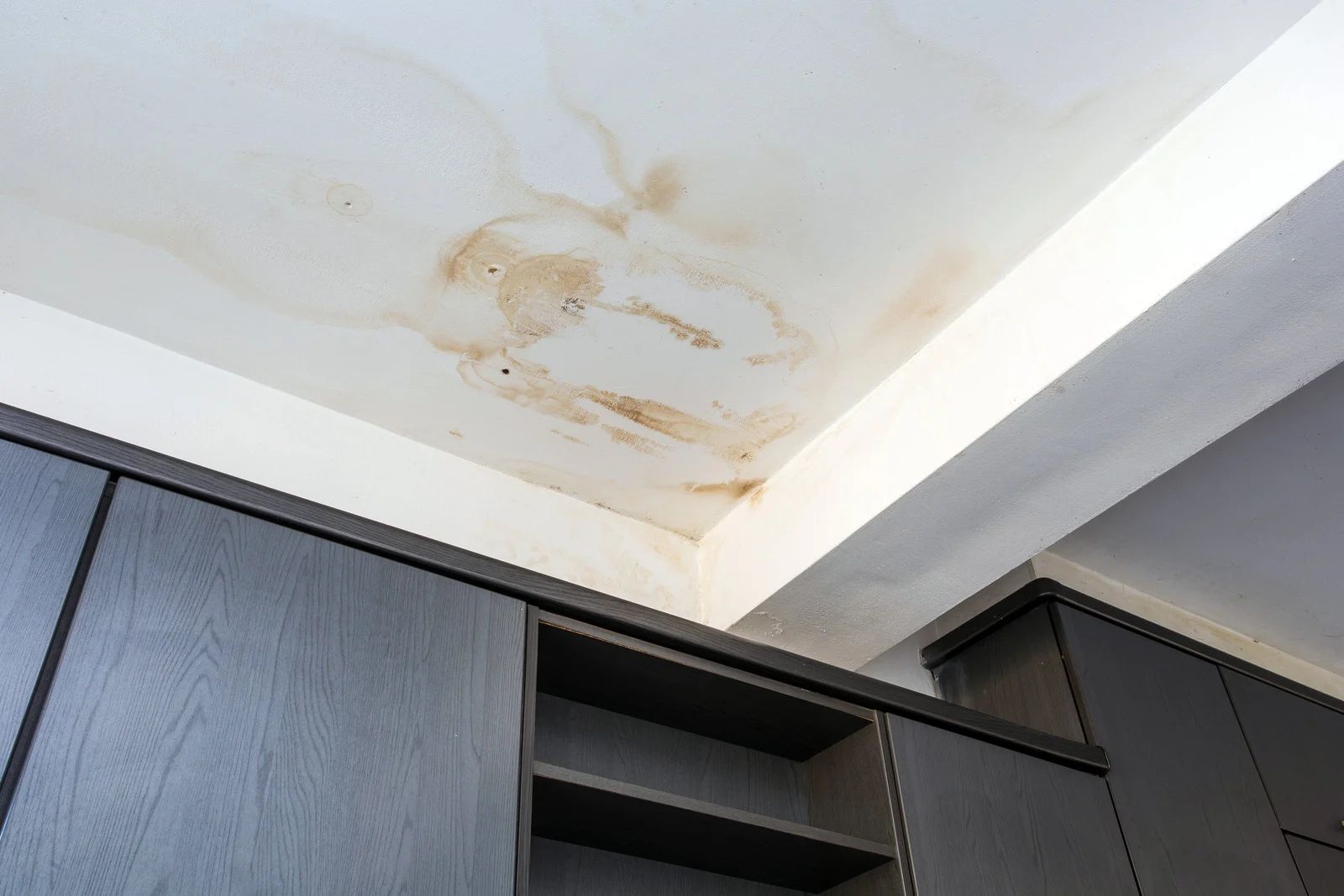
When paint peels down to bare wood, water is almost always getting behind it. Part of diagnosing the failure is walking the house and finding where that water is coming in, because repainting without closing the path just resets the clock on the same problem.
Worn or missing caulk
Caulk lines at joints, corners, window frames, and trim are the seams that keep water out. Once they crack or pull loose, moisture runs straight into the gap and gets behind the paint from the edge.
Gutters that are not carrying water away
Clogged or damaged gutters let water spill down the face of the siding and pool where it should not. Over a season, that steady wetting saturates the boards behind the finish.
Moisture pushing out from inside
Humidity generated in kitchens, bathrooms, and laundry areas can migrate through the wall and press outward against the exterior paint from behind. When it reaches the back of the film, it lifts it off the siding.
Siding sitting too close to the ground
Boards that nearly touch the soil wick up ground moisture constantly. Keeping the bottom of the siding several inches clear of the ground is standard practice for a reason, and finishes near grade are often the first to go.
A roof or flashing leak overhead
Water entering higher up runs down inside the wall and shows up as peeling well below the actual leak. If the peeling is worst under a particular roofline or valley, look up before you look at the paint.
Heat Blisters or Moisture Blisters: How to Read Them
Not every bubble is a water problem. Some are caused by heat during application, and telling the two apart takes about ten seconds with a putty knife. It is worth doing, because the causes and the fixes are different.
The test is simple. Break open a blister and look at what is underneath. If only the newest coat of paint is lifted and you can see an older coat still stuck below it, the blister was almost certainly caused by heat, meaning the surface was too hot or in direct sun when it was painted and the top skinned over before it could bond. If the blister goes all the way down and you are staring at bare wood, the culprit is moisture escaping from the substrate and pushing the whole film off.
Heat blisters tend to cluster on the walls that bake in the afternoon sun. Moisture blisters tend to gather where water collects or where the wall stays damp and shaded. Once you know which one you have, you know whether the next repaint needs better timing or a hunt for a water source.
TIP: Before you touch the wall, note where the failure is worst and what time of day that side gets sun. Peeling on the cool, shaded, lower walls points toward moisture, while blistering high on the hot, sunny walls points toward heat during application. That single observation aims the whole diagnosis.
How the Failure Gets Corrected for Good
Fixing peeling and blistering the right way is less about the new paint and more about everything that happens before it. Done properly, the repair outlasts the quick fix by years.
The work starts by removing all the loose and failing paint, scraping and sanding back to a surface that is sound and smooth, with the ragged edges feathered so they do not telegraph through the new coat. Then comes the part that quick jobs skip: finding and closing the moisture path, whether that means fresh caulk at the failed joints, clearing the gutters, correcting siding that sits too low, or handling a leak overhead. Bare wood gets a quality primer so the finish has something to grip, and the topcoat goes on in the right window of temperature and humidity, with dry time protected before the evening dew. A quick adhesion check in the area around the old failure confirms the surrounding paint is still holding before the new coat ties into it. That sequence is what separates a finish that lasts from one that blisters again next summer.
Frequently Asked Questions
How do I tell if my paint is peeling from moisture or just old age?
Lift a peeling edge or open a blister and inspect beneath it. Bare wood usually indicates moisture damage, while an older paint layer still attached points to aging, heat exposure, or normal wear rather than trapped moisture.
Why does my paint keep peeling in the same spot even after I repaint?
Repeated peeling usually means water is still reaching the surface. Check for leaking gutters, damaged caulk, siding installed too close to the ground, or roof leaks before repainting to prevent the same problem from returning.
Can high humidity alone ruin a fresh coat of exterior paint?
Yes. High humidity slows paint curing and can weaken adhesion if dew or rain reaches the surface too soon. Painting during moderate humidity and suitable weather helps the coating dry properly and last much longer.
Is it a problem to paint right after pressure washing the siding?
Yes. Pressure washing forces moisture into siding and wood, and painting before everything dries traps that moisture beneath the finish. Wait until the surface is completely dry, usually one to two days in good weather.
Why does the sunny side of my house blister more than the shady side?
Direct sunlight heats siding quickly, causing paint to dry too fast before it bonds correctly. Applying paint during cooler morning hours or while the surface is shaded helps prevent blistering and premature coating failure.
Should I just scrape the loose paint and touch it up myself?
Scraping loose paint helps, but lasting results require fixing the moisture source, feathering damaged edges, priming bare wood, and repainting under proper conditions. Otherwise, the repaired area is likely to peel again within a season.
Reading the Wall Before the Next Repaint
Peeling and blistering are not random. They are a paint film telling you exactly where its bond broke and, usually, why. A bubble down to bare wood on a shaded wall is a moisture story. A blister in only the top coat on the sunny side is a heat-and-timing story. Worn caulk, a spilling gutter, siding sitting in the dirt, or a coat rushed on before a dewy night each leave their own signature. Once you can read those signs, you stop repainting the same failure and start fixing the cause behind it, which is the only way a finish holds up through humid coastal summers.
Schedule an
exterior paint assessment: Bubbling and peeling siding is a warning that moisture has broken the bond, and painting over it only buys a season before the same failure returns. Preferred Quality Painting, LLC
reads the wall the way this article describes, tracing the water source, cutting back to a sound surface, priming bare wood, and repainting in the right conditions so the finish actually lasts. With 40
years of experience serving Lexington, Kentucky, the fully insured and bonded crew understands how local weather and seasonal moisture affect exterior coatings and delivers finishes built to last. Reach out to set up an assessment and get a finish designed to hold.