
Common Causes of Drywall Cracks, Holes, and Water Damage
Drywall plays a major role in the appearance, insulation, and structural finish of modern homes and commercial buildings. Smooth, well-maintained walls create a polished interior while also protecting framing, wiring, and insulation hidden behind the surface. Over time, however, drywall damage becomes one of the most common maintenance concerns property owners face. Small cracks near ceilings, nail pops, accidental holes, bubbling paint, stains, and soft spots often appear gradually before turning into larger repair issues. Many homeowners ignore early warning signs because the damage initially seems cosmetic, but untreated drywall problems can signal moisture intrusion, structural movement, or ongoing wear that affects the entire property.
Understanding the causes of drywall cracks, holes, and water damage helps property owners protect their investment and avoid more extensive repairs later. Environmental conditions, settling foundations, plumbing leaks, humidity fluctuations, poor installation methods, and everyday impacts all contribute to drywall deterioration. Identifying the root cause matters because repairing visible damage without addressing the underlying issue usually leads to recurring problems. Professional drywall repair and maintenance not only restore visual appeal but also improve durability, indoor comfort, and long-term property value. By recognizing common warning signs early and responding with the right repair approach, homeowners can maintain stronger, cleaner, and safer interior spaces for years ahead.
Structural Movement and Foundation Settling
Why Buildings Naturally Shift Over Time
One of the most common causes of drywall cracks is normal structural movement. Homes and commercial buildings naturally settle as soil beneath the foundation compresses and adjusts over time. Seasonal temperature changes, moisture levels, and ground movement can all affect how a structure shifts. Even newly constructed properties often experience minor settling during the first few years after completion.
As framing materials expand and contract, pressure develops around drywall seams, corners, and joints. Hairline cracks often appear above doors, around windows, or where walls meet ceilings because these areas experience the most stress. Small vertical or diagonal cracks may not indicate serious structural damage, but recurring or widening cracks should never be ignored.
Signs That Settling May Be Causing Damage
Certain drywall crack patterns provide clues about underlying structural movement. Common warning signs include:
- Stair-step cracks near corners
- Long ceiling cracks
- Doors sticking or failing to close properly
- Uneven flooring
- Cracks reappearing after repairs
- Gaps between trim and walls
Ignoring these indicators can allow larger structural issues to worsen. Professional inspections help determine whether the damage is cosmetic or connected to foundation concerns that require additional repairs.
Preventing Long-Term Structural Stress
Property owners can reduce drywall stress by maintaining stable moisture conditions around the foundation. Proper drainage, gutter maintenance, and grading help minimize soil movement. Regular inspections also allow early identification of developing cracks before repairs become more expensive.
Moisture Intrusion and Water Damage
Plumbing Leaks Behind Walls
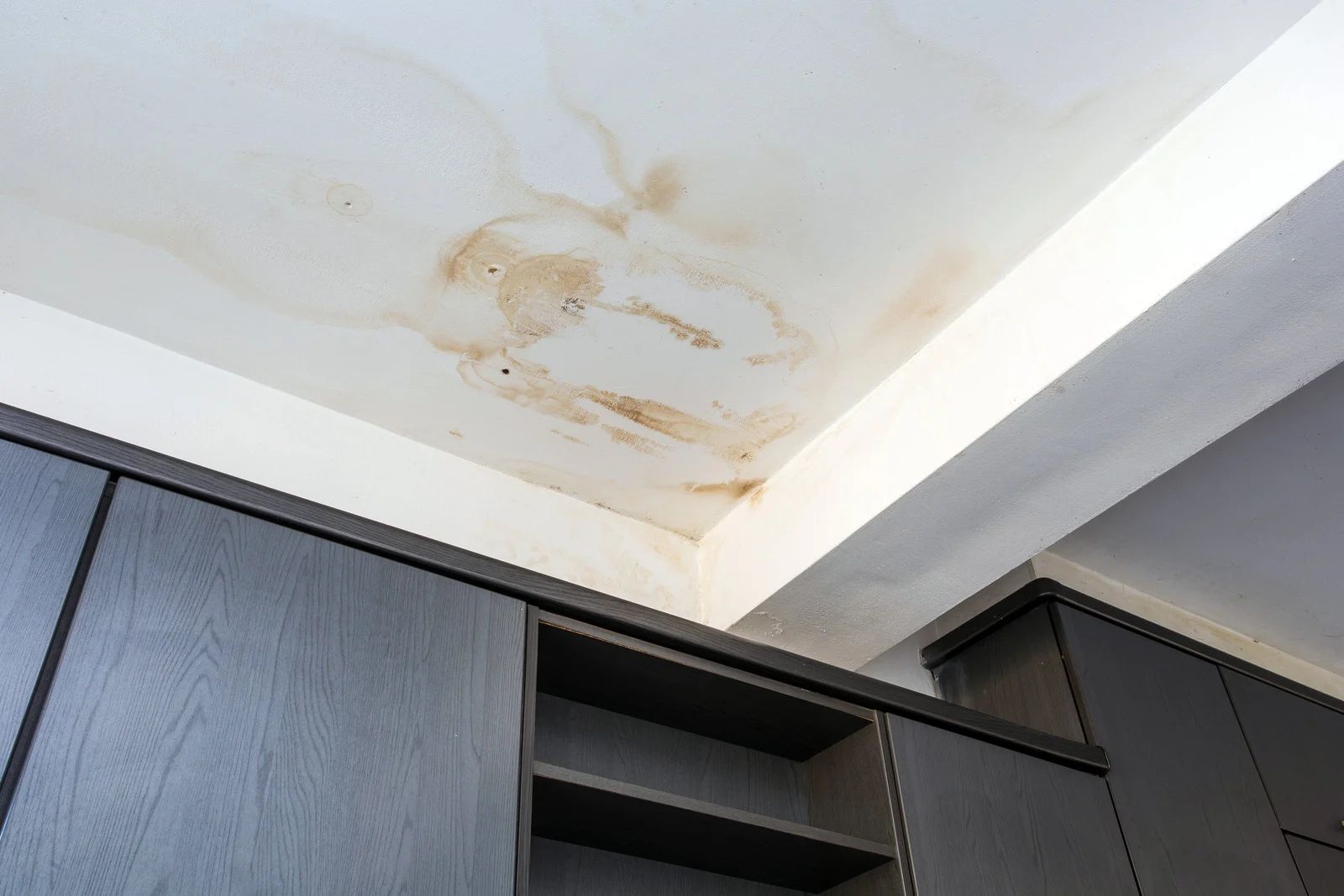
Water damage remains one of the most destructive drywall problems because moisture weakens the material from the inside. Plumbing leaks behind walls often go unnoticed until stains, bubbling paint, soft spots, or mold growth appear on the surface. Even small leaks from supply lines, drain pipes, or appliance connections can saturate drywall over time.
Once drywall absorbs moisture, its structural integrity quickly declines. Wet drywall softens, warps, and loses strength, making replacement necessary in many cases. Delaying repairs increases the risk of mold growth and damage to insulation, flooring, and framing materials.
Roof Leaks and Exterior Water Penetration
Roof damage, clogged gutters, and poorly sealed windows can also introduce water into drywall systems. During heavy rainstorms, moisture may travel along beams and framing before appearing far from the original leak source. Ceiling stains are often among the first visible signs of roof-related drywall damage.
Exterior wall cracks, damaged siding, and improper flashing create additional pathways for moisture intrusion. In humid climates, prolonged exposure to moisture can weaken drywall even without obvious leaks.
How Water Damage Impacts Indoor Conditions
Water-damaged drywall affects more than appearance. Moisture trapped inside walls can contribute to:
- Mold and mildew growth
- Poor indoor air quality
- Increased humidity
- Unpleasant odors
- Wood rot around framing
Fast response is critical whenever water damage appears. Professional moisture detection and repair services help identify hidden issues before larger restoration work becomes necessary.
Poor Drywall Installation Practices
Weak Joint Finishing and Seam Failures
Improper installation techniques are another major source of drywall cracking and deterioration. When drywall panels are not securely fastened or seams are poorly finished, visible imperfections often develop within a short period. Weak taping, insufficient joint compound, or improper drying times can all lead to seam separation.
Temperature and humidity changes place constant stress on drywall joints. If installation shortcuts were taken during construction, those weak areas become vulnerable to cracking. Ceiling seams and wall transitions are especially prone to failure when poor workmanship is involved.
Fastener Problems and Nail Pops
Nail pops occur when fasteners gradually push outward from drywall surfaces. This issue develops when nails or screws loosen because of framing movement or improper installation depth. Small circular bumps or cracks may appear where fasteners sit beneath the paint.
While nail pops may seem minor, repeated occurrences can indicate framing instability or poor installation practices. Proper fastening techniques help reduce long-term drywall movement.
Importance of Skilled Installation
Professional drywall installation involves more than hanging panels. Proper spacing, fastening, taping, sanding, and finishing all influence durability. Skilled contractors also account for humidity levels, framing alignment, and drying conditions during installation. High-quality workmanship reduces the risk of future cracking and surface failures.
Everyday Impact Damage and Accidental Holes
Common Household Causes of Drywall Holes
Drywall damage frequently results from normal daily activity inside homes and businesses. Furniture movement, door handle impacts, accidental collisions, and mounting hardware can all create dents or holes in wall surfaces. High-traffic areas such as hallways, staircases, garages, and children's rooms experience the most wear.
Small holes may appear harmless at first, but exposed drywall edges can weaken further if left untreated. Cracks around damaged areas often spread with continued impact or vibration.
Damage Caused by Renovations and Installations
Home improvement projects commonly create drywall problems when electrical work, plumbing upgrades, or fixture installations require cutting into walls. Improper patching techniques often leave uneven textures, visible seams, or weak repairs that fail over time.
Television mounting, shelving installation, and heavy wall décor can also strain drywall if anchors are not properly secured to framing. Excessive weight may eventually cause cracks or large holes.
Best Practices for Preventing Impact Damage
Property owners can reduce drywall wear by:
- Using door stops
- Installing protective corner guards
- Securing heavy fixtures properly
- Handling furniture carefully during moves
- Repairing minor dents before they worsen
Prompt repairs help maintain wall strength and prevent cosmetic damage from spreading across larger sections.
Humidity, Temperature Changes, and Environmental Stress
Seasonal Expansion and Contraction
Environmental conditions significantly affect drywall performance. Drywall materials naturally expand and contract as humidity and temperature fluctuate throughout the year. In areas with high seasonal variation, repeated movement places stress on seams, corners, and fasteners.
During humid months, drywall absorbs moisture from the air and expands slightly. In dry seasons, materials shrink again. Over time, this cycle can produce visible cracking, especially in ceilings and upper wall joints.
Poor Ventilation and Indoor Moisture Buildup
Bathrooms, kitchens, laundry rooms, and basements often experience elevated humidity levels that contribute to drywall deterioration. Inadequate ventilation allows moisture to accumulate on surfaces and inside wall cavities. Prolonged exposure can lead to softening, staining, and peeling paint.
Condensation around poorly insulated walls or HVAC systems may also create hidden moisture issues behind drywall surfaces.
Controlling Indoor Conditions
Maintaining balanced indoor humidity helps reduce environmental drywall stress. Property owners benefit from:
- Proper attic ventilation
- Exhaust fans in moisture-prone areas
- HVAC maintenance
- Dehumidifier use in damp spaces
- Insulation upgrades where needed
Stable indoor conditions help preserve drywall integrity and reduce the frequency of repairs.
Trusted Interior Repair Professionals Delivering Lasting Wall Solutions
Drywall cracks, holes, and water damage are more than cosmetic concerns because they often reveal underlying structural movement, moisture intrusion, environmental stress, or installation problems. Recognizing these issues early allows property owners to prevent further deterioration and maintain safer, cleaner, and more attractive interior spaces. From foundation settling and plumbing leaks to accidental impacts and humidity fluctuations, multiple factors contribute to drywall damage over time. Addressing both the visible symptoms and the root cause remains essential for achieving durable, long-lasting repairs that protect the overall condition of the property.
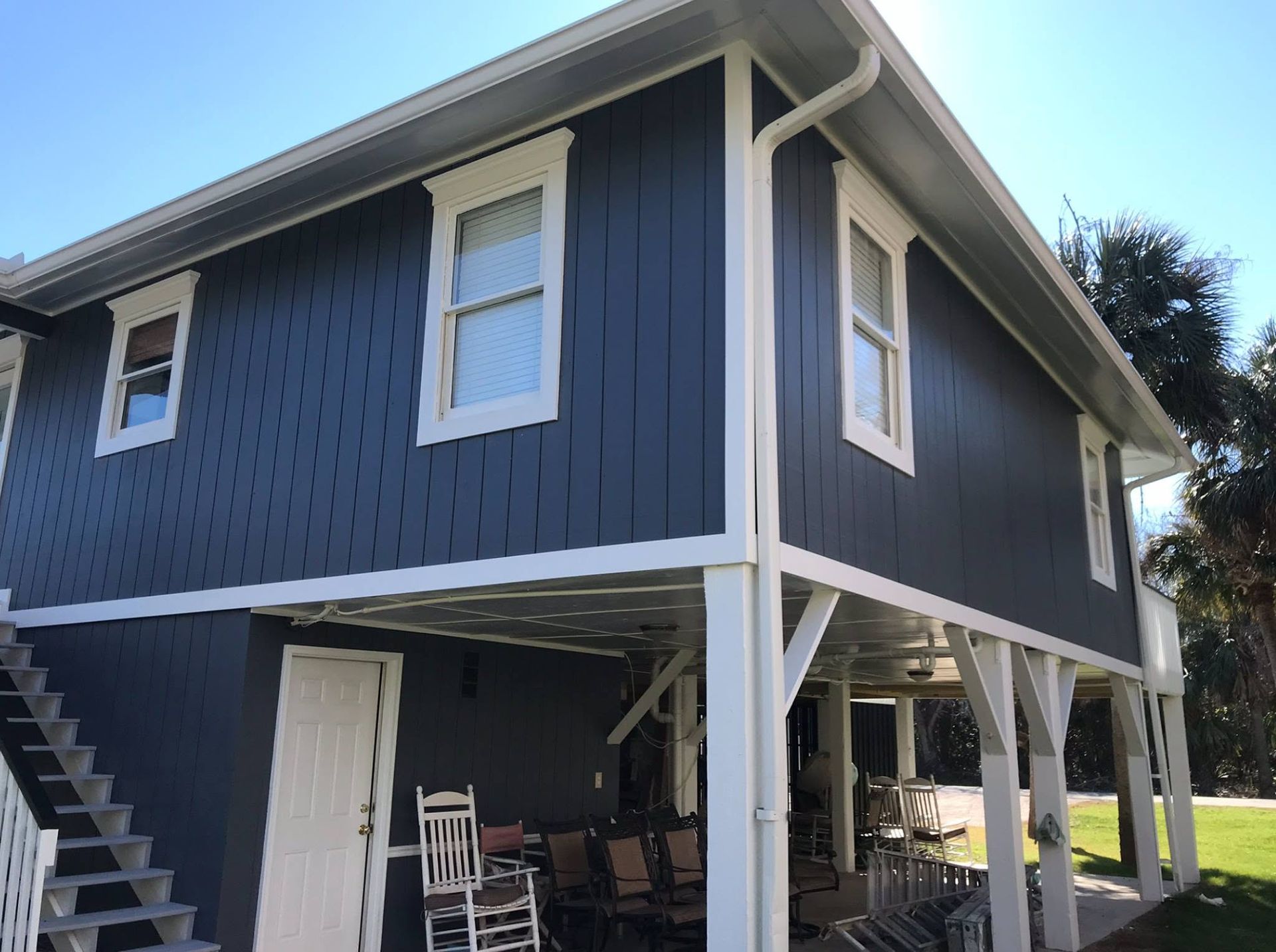
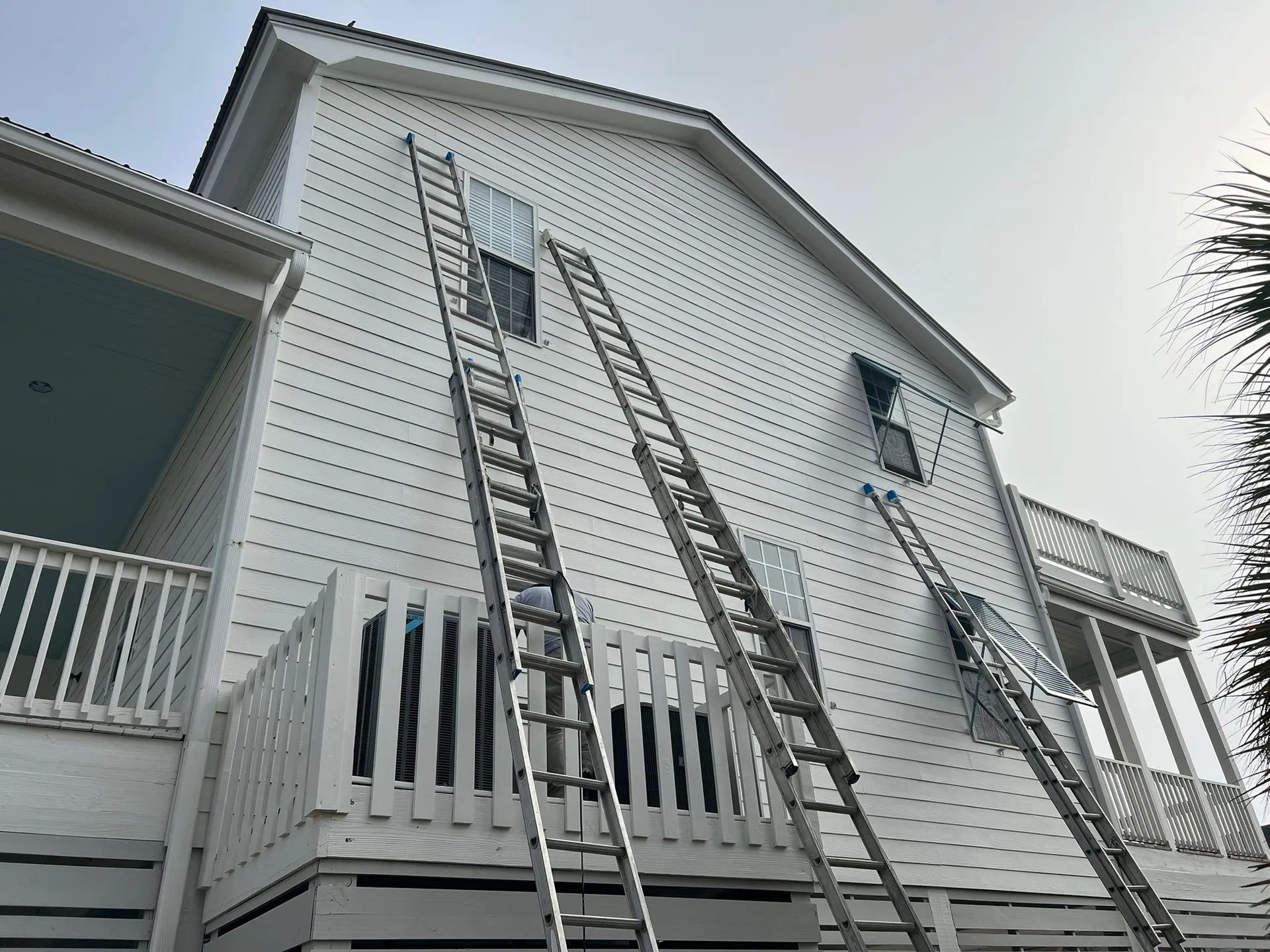
At Preferred Quality Painting, LLC, we bring 40
years of industry experience to
drywall repair
and interior restoration services throughout Edisto Island, South Carolina. Our approach focuses on careful inspection, skilled craftsmanship, and dependable repair solutions designed to restore both strength and appearance to damaged walls and ceilings. We understand how moisture, structural movement, and aging materials affect drywall systems, and we provide repair strategies tailored to the specific needs of each property. Whether repairing minor cracks, patching holes, or restoring water-damaged drywall, we remain committed to delivering reliable workmanship and lasting results. Property owners seeking trusted drywall repair solutions can rely on our experience, attention to detail, and dedication to maintaining high-quality interior finishes.